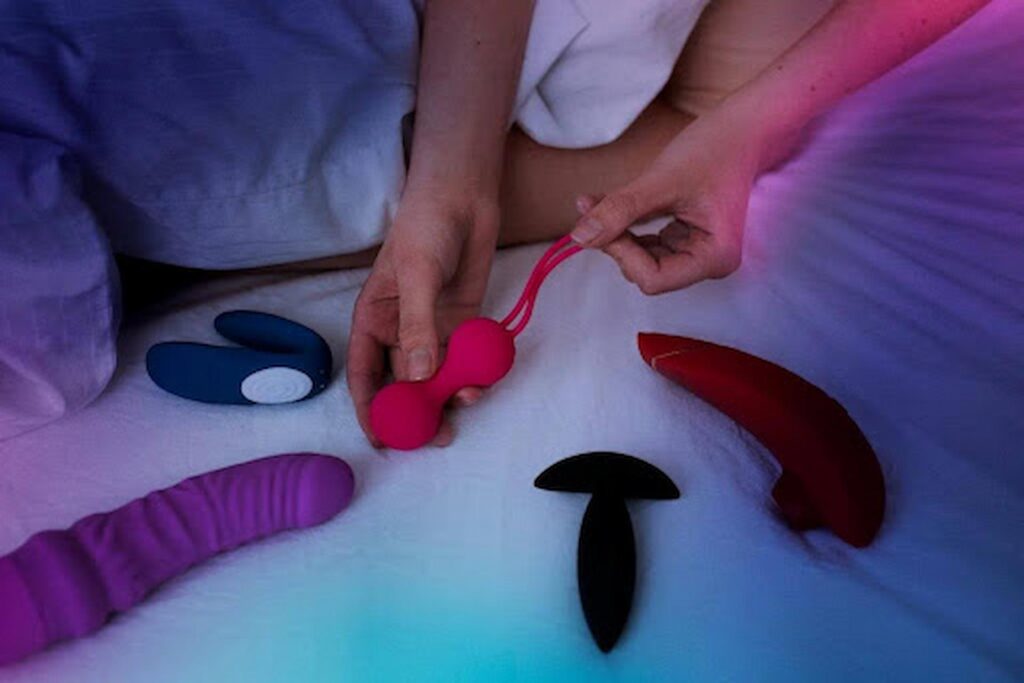
The evolution of the adult industry has transformed the way we perceive personal pleasure, moving away from taboo-laden whispers towards a sophisticated landscape of sexual wellness. Modern design in this sector is no longer just about basic functionality; it is a meticulous blend of ergonomics, material science, and sensory engineering. As we become more attuned to the nuances of our own bodies, the demand for toys that cater to specific physiological needs has skyrocketed. Understanding how these devices are engineered allows individuals to make informed choices that enhance their intimate lives, ensuring that every purchase aligns with their unique desires and anatomical sensitivities.
Designers today prioritise the diversity of human sensation, recognising that pleasure is rarely a one-size-fits-all experience. From the internal mechanics of a vibrator to the textured sleeves of heated male masturbators, every element is intentionally crafted to mimic or enhance specific types of physical contact. This shift towards targeted stimulation means that whether someone is seeking clitoral precision, prostate massage, or full-body resonance, there is a piece of technology specifically calibrated for that purpose. By exploring the intersection of design and biology, we can appreciate the artistry involved in creating tools that foster confidence and exploration.
Engineering for External Pleasure
External stimulation remains the most common entry point for many users, and the engineering behind these toys has become incredibly refined. Clitoral vibrators, for instance, have moved beyond simple buzzing motors to incorporate “air-pulse” technology. This design uses rapid changes in air pressure to stimulate the thousands of nerve endings without direct, potentially numbing contact. The goal is to provide a sensation that mimics suction and flicking, providing a layered experience that traditional vibrators often struggle to replicate.
When considering the variety of external sensations available, one must also look at how temperature plays a critical role in realism and comfort. This is particularly evident in the development of heated male masturbators, which use internal thermal coils or heat-retaining materials to mimic the natural warmth of a partner. By maintaining a temperature close to $37^\circ\text{C}$, these devices reduce the initial “shock” of cold silicone and allow the user to relax more deeply into the experience. The integration of heat is a prime example of how modern design addresses the psychological need for comfort alongside the physical need for friction and pressure.
Internal Ergonomics and Targeted Reach
Designing for internal stimulation requires a deep understanding of human curvature. Devices intended for G-spot or P-spot (prostate) massage are often characterised by a distinct “hook” or “upward curve.” This is not an aesthetic choice but a functional necessity. The G-spot, located on the anterior wall of the vagina, requires firm, rhythmic pressure that a straight device cannot easily provide. Similarly, the prostate is situated several inches inside the rectum, requiring a toy with a specific angle and a bulbous head to apply direct stimulation effectively.
The Science of Vibration Frequency
Not all vibrations are created equal. High-pitched, “buzzy” vibrations tend to stay on the surface of the skin, making them ideal for sensitive areas like the clitoris or the head of the penis. In contrast, low-frequency, “thudding” vibrations are designed to travel through tissue, reaching deeper nerve endings. This is why many high-quality wands and internal massagers are equipped with heavy-duty motors that produce a deep rumble. This resonance is essential for those who find superficial buzzing overstimulating or for those who wish to experience a “fuller” sensation that echoes throughout the pelvic floor.
Material Choices: Safety and Texture
The materials used in modern adult toys are selected based on their “hand-feel,” their ability to transmit heat or vibration, and their biocompatibility. Medical-grade silicone is the gold standard because it is non-porous, hypoallergenic, and warms quickly to body temperature. However, design doesn’t stop at the base material; it extends to the surface architecture.
- Ribbing and Nubs: These are used to create varying levels of friction during movement, providing secondary stimulation to the surrounding tissues.
- Velvet-Touch Coatings: Many toys now feature a matte finish that reduces friction during insertion while feeling luxurious against the skin.
- Dual-Density Silicone: Some advanced toys feature a firm inner core to provide structural integrity and a soft, squishy outer layer to mimic the feel of real skin and muscle.
- Non-Porous TPE/TPR: Used primarily in sleeves and realistic strokers, these materials allow for intricate internal textures that would be difficult to cast in standard silicone.
The Role of App-Control and Connectivity
As we move further into the 2020s, the design of adult toys has embraced the digital age. Bluetooth and Wi-Fi connectivity are no longer gimmicks; they are essential features for long-distance couples and those who enjoy “teledildonics.” The challenge for designers here is to house complex electronics—batteries, antennas, and chips—within a waterproof, body-safe chassis without compromising the toy’s ergonomic shape. This requires a high level of miniaturisation and creative spatial planning within the device’s shell.
The software side of these designs is equally important. Apps now allow users to create custom vibration patterns, sync their toy’s movements to video content, or even hand over control to a partner across the globe. This represents a move towards “customisable pleasure,” where the user is no longer limited by factory-set pulses but can design an experience that matches their specific arousal curve. This level of agency is a major milestone in the empowerment of the consumer.
Summary of Design Innovations
To truly understand how these products have evolved, it helps to look at the specific design goals that manufacturers now prioritise:
- Anatomical Accuracy: Creating shapes that naturally align with the pelvic floor and internal hotspots.
- Thermal Regulation: Implementing heating elements to enhance the psychological and physical comfort of the user.
- Discretion: Engineering motors that are powerful yet quiet, allowing for use in shared living environments.
- Sustainability: A move towards rechargeable lithium-ion batteries and recyclable packaging to reduce the environmental impact of “pleasure products.”
- Inclusivity: Developing toys that can be used by individuals with limited mobility or different physical abilities, ensuring pleasure is accessible to everyone.
Conclusion
The design of adult toys has transitioned from a fringe craft to a sophisticated branch of product engineering. By focusing on the specific ways different bodies respond to pressure, temperature, and vibration, manufacturers are creating tools that do more than just provide a quick release; they facilitate a deeper connection with one’s own body. Whether it is the subtle warmth found in male masturbator or the deep, thudding resonance of a prostate massager, every curve and motor setting is the result of rigorous research and development.
Ultimately, the best-designed toy is one that respects the user’s anatomy while pushing the boundaries of what is possible through technology. As materials become even more lifelike and haptic feedback becomes more nuanced, the line between mechanical stimulation and human-like sensation will continue to blur. Investing in a well-designed piece of sexual wellness technology is an investment in your personal happiness and well-being, proving that when it comes to intimacy, the details truly matter. Through thoughtful engineering and a commitment to quality, the industry continues to help people explore their desires in a way that is safe, effective, and profoundly enjoyable.